

The Rohingya crisis has now entered its eighth year, with no clear path to repatriation in sight.Despite ongoing efforts, new Rohingya refugees continue to arrive in Bangladesh, adding to the already overwhelming number of displaced individuals.
According to recent reports, an estimated 25,000 to 30,000 Rohingyas are waiting across the Myanmar-Bangladesh border, hoping to enter the country.
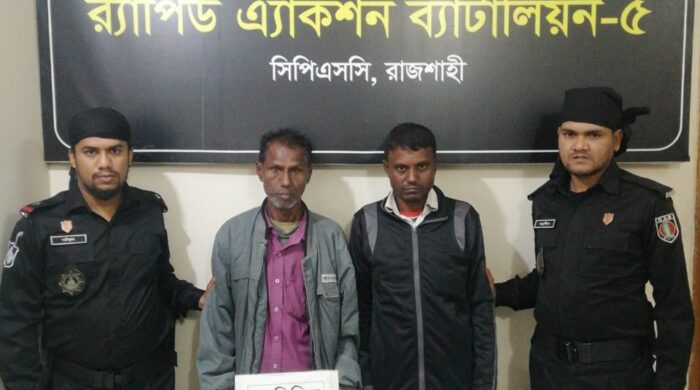
The continued influx is putting immense pressure on the law and order situation in Cox’s Bazar, where criminal activities within the refugee camps are on the rise. Local authorities are struggling to contain the situation, as rising tensions and violence become an increasing concern.
Meanwhile, international aid for the Rohingyas is steadily decreasing. The decline in funding is making it more difficult to provide basic services, such as education and healthcare, to the refugee population. Over the past eight years, tens of thousands of Rohingya children remain without access to education, and living conditions in the camps have deteriorated sharply.
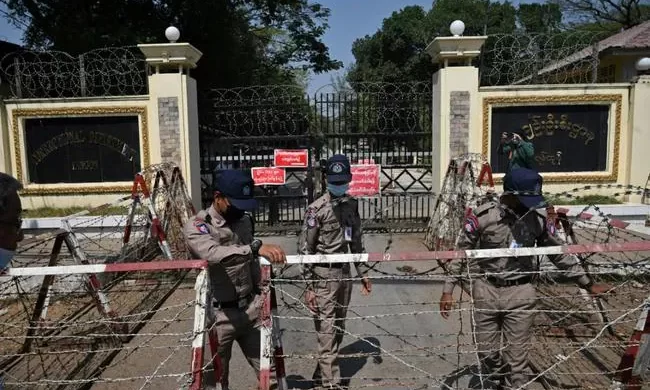
Despite ongoing talks of repatriation, the situation in Myanmar remains unstable, with armed conflict continuing in several regions. As a result, repatriation efforts have stalled, leaving many Rohingyas stranded in Bangladesh without any clear prospect of returning home.
In light of this, humanitarian organizations are calling for increased international support to address the growing crisis. The need for adequate financial assistance and a long-term solution is becoming increasingly urgent as the situation continues to evolve.